Mold Inspections Los Angeles Explained: What Really Happens During the Process
Mold Inspections Los Angeles Explained: What Really Happens During the Process
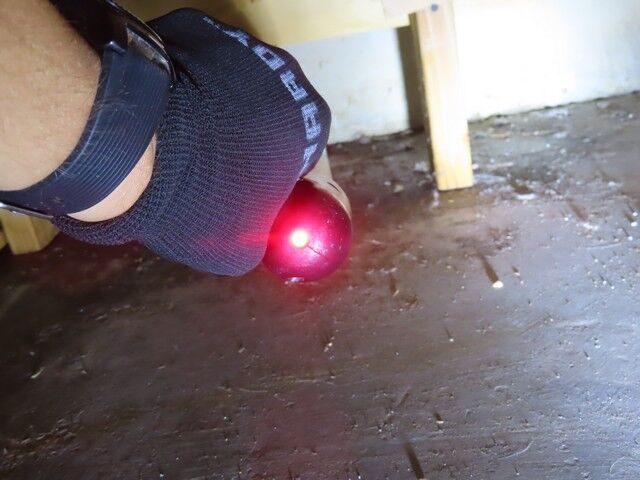
Mold inspections protect your home or business from mold growth, indoor air contamination, hidden moisture, and long term structural issues. A complete mold inspection helps reveal the presence of mold, mold spores, hidden mold, and conditions conducive to mold growth.
This guide explains what happens during the inspection process so you know how a professional mold inspector conducts a complete mold inspection with accuracy. Keep reading until the final section to learn how Golden State Mold Inspections can support your mold inspection and testing needs with reliable mold assessment services and expert guidance.
What Mold Inspections Are Designed To Reveal
A mold inspection helps identify mold, detect mold contamination, and understand the cause of mold growth inside a property. Inspectors look for areas prone to mold growth and investigate the severity of the mold problem. Mold inspection involves visual inspection techniques, moisture detection, mold samples, and sometimes air samples when needed.
A certified mold inspector examines indoor air quality, visible mold, mold types, and any mold issue that may develop over time. Mold inspection and testing provide information that helps determine the proper mold remediation steps once mold is present.
What Happens During The Initial Walkthrough
The inspection process starts with a walkthrough of your property. This stage allows the mold inspector to understand your concerns, suspect mold areas, and any visible signs of mold growth.
During this stage, the inspector evaluates:
- Past water leaks
- Mold in your home that is visible or suspected
- Odors that suggest airborne mold spores
- Stains or discoloration that signal mold growing
- Areas where mold is found during general home inspection
The inspector notes conditions conducive to mold growth and creates a plan to conduct mold testing and inspection if needed.
Moisture Detection And Advanced Tools During Mold Inspections
A professional mold inspection relies on accurate moisture detection. Mold may spread quickly when moisture remains inside materials. Moisture is the main cause of mold and must be located before mold remediation or mold removal is considered.
Tools used during the inspection include:
- Moisture meters
- Infrared cameras
- Hygrometers
- Humidity and temperature sensors
These devices detect hidden mold, mold colonies, and conditions that support mold to grow.
Although infrared cameras do not detect mold species, they reveal moisture that allows mold to grow. This improves the accuracy of the mold assessment. The mold inspector compares readings to determine if indoor mold or mold infestations may be developing.
Sampling And Mold Testing Choices Explained
Not every mold inspection requires mold testing. A certified mold inspector decides whether to collect a mold sample based on visual inspection results. Mold testing and inspection provide scientific confirmation when the presence of mold needs documentation.
Testing includes:
- Air samples
- Surface samples
- Swab and tape lift samples
Air samples help analyze indoor air levels and compare them with outdoor air. This reveals the concentration of mold and whether mold is present at elevated levels. Mold testing also helps identify mold species and confirm black mold or other specific types of mold when needed.
Testing supports decisions related to mold remediation services, inspection services, and future mold growth prevention.
Why Inspectors Search For The Moisture Source First
A complete mold inspection focuses on the root cause of mold, which is moisture. Mold can develop only when a moisture source feeds mold colonies. If moisture continues, mold spreads and persists.
Common moisture sources include:
- Roof leaks
- Plumbing issues
- Window failures
- Groundwater intrusion
- HVAC condensation
Finding the source is essential for mold remediation steps. Without source correction, remediation process results may fail. Address mold at its foundation to eliminate mold and prevent new mold infestations.
What Inspectors Look For In High Risk Areas
Some areas are more prone to mold growth. Mold can also develop in unexpected locations, which is why a thorough inspection is necessary.
Bathrooms
Steam affects indoor air and moisture levels. Poor ventilation helps mold colonies grow.
Kitchens
Leaks under sinks or behind appliances can cause mold to grow unnoticed.
Attics
Roof leaks create wet insulation. This becomes home for mold.
Basements
Groundwater exposure and humidity support mold to grow and spread.
Inspectors check for visible signs of mold, mold growing in concealed spaces, and mold spores in the air.
Mold Inspections During Real Estate Transactions
A mold inspection is essential during a home inspection when buying or selling property. Mold inspection and testing services provide accurate data about mold issue severity, the presence of mold, and steps to address mold contamination.
Buyers want to know if mold is present. Sellers need evidence that mold has been evaluated. A mold inspector helps detect mold and confirm whether conditions are conducive to mold growth.
This protects your home and ensures clear documentation before signing a contract.
Mold Inspection Reports And What They Include
A professional mold inspection report offers complete details about the mold assessment. Reports include:
- Inspection findings
- Locations with visible mold
- Photos of mold and moisture
- Mold types located during testing process
- Air sample results
- Severity of the mold problem
- Steps to address mold issues
Reports must include why mold is present, not only where mold is found. This supports informed decisions during mold remediation process planning. A report also explains future mold growth risks and the remediation services needed to eliminate mold effectively.
Why Choosing The Right Inspection Company Matters
A reliable mold inspector has the training to conduct mold inspections correctly. A licensed mold specialist understands mold identification, mold and moisture behavior, and standards for mold inspection and remediation.
Experience helps in detecting mold early, understanding effects of mold on indoor air, and spotting mold growing in hidden spaces. A trustworthy company provides inspection services with no pressure to purchase remediation.
A professional inspection ensures accurate mold removal steps can be planned by a remediation provider.
Get Reliable Mold Inspections With Experts You Can Trust
Protect your home or business with certified mold inspection and testing services from Golden State Mold Inspections. We specialize in
- mold inspections,
- mold testing,
- partial inspections,
- mold samples,
- mold identification, and
- complete mold assessment services.
We provide accurate information about mold species, mold contamination, areas where mold is found, and the severity of the mold problem. Our team delivers clear remediation steps so you know how to eliminate mold safely even though we do not provide mold remediation service.
We help buyers, sellers, homeowners, and business owners detect mold, locate hidden mold, confirm mold concentration levels, and understand the cost of mold inspection without unnecessary fees. If you suspect mold in your home, learn how to get professional mold inspection results that give peace of mind.
If you are looking for mold inspections near me or expert mold inspection services in Los Angeles, we are ready to assist you. Get information about our services and schedule your appointment today.

Golden State Mold Inspections
204 Lomita St, El Segundo, CA 90245
(417) 838-4398